

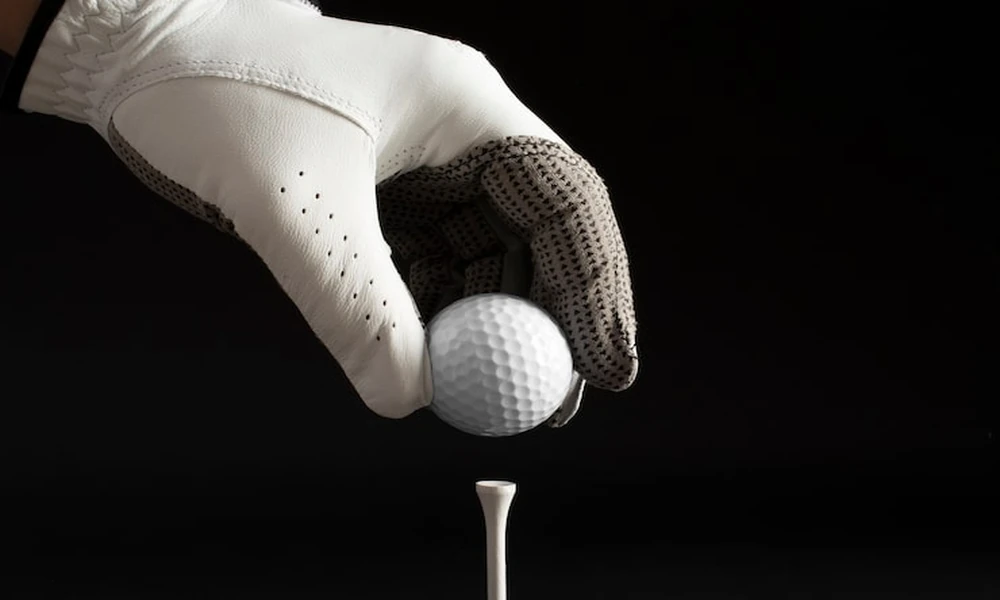
You already know a glove matters. You want to know if paying more actually helps your grip and steadies your swing. I will keep this practical. I rely on a simple approach: understand how materials and fit affect friction, reduce variables in your setup, and match the glove to your course conditions. If you want to compare options and sizes, start with golf gloves from Golf Gear Direct, then use the guidelines below to pick a model that fits your game.
Here is what you will get from this guide: how premium gloves differ from budget ones, how that affects grip pressure and face control, what to watch for in sizing and care, and how to place a glove purchase within your wider equipment plan that may include drivers, irons, bags, apparel, and an electric golf trolley.
What “Premium” Actually Buys You
Premium gloves are not only about brand names. The real differences show up in build and materials.
- Cabretta leather: Thin, soft, and tacky for dry conditions. It gives you strong friction with less squeeze.
- Hybrid designs: Leather in the palm and fingers for feel, synthetic panels for durability and stretch.
- Rain and all-weather models: Textiles that grip better as they get wet and hold shape after drying.
- Patterning and stitching: Tighter tolerances keep the glove stable during the downswing.
- Closure and wrist support: A firm, even wrap reduces slippage without cutting circulation.
If a glove holds its shape, maintains tack through heat or moisture, and does not twist under load, your grip stays stable with less effort. That is what you pay for.
Do Premium Gloves Improve Grip and Consistency?
Yes, if you choose the right model and size. The effect is simple and measurable.
- Lower grip pressure: A tackier palm lets you hold the club with fewer forearm muscles. Less tension makes squaring the face more repeatable.
- Better moisture control: Sweat and drizzle defeat cheap synthetics. A higher grade leather or a rain-specific textile keeps friction up in bad weather.
- Shape retention: Premium gloves stretch less at the thumb and palm. That limits micro-movements that throw the face open or shut.
- Consistent feedback: Thinner leather gives clearer feel at impact. You sense face rotation sooner and can correct faster.
If your strike pattern shifts during humid rounds or your glove loses tack late in the back nine, a better glove can tighten dispersion more than a minor swing tweak.
Sizing Rules You Should Follow
Most grip issues come from poor fit. Use this checklist.
- Try cadet sizing if your fingers are short relative to palm width.
- The glove should feel snug with no loose folds at the palm or thumb.
- Close the tab to the middle of the Velcro, not stretched to the limit.
- Fingertips should reach the ends with a light contact, not bunched fabric.
- Replace the glove once the palm shines or the thumb gets thin.
If you cannot test in person, measure your hand at the knuckles and compare to brand charts. Many brands differ by a half-size in finger length.
Build a Simple Glove Rotation
A single glove often fails late in a round. Plan a small rotation.
- One premium leather glove for dry conditions
- One rain pair for wet days
- One practice glove that can take range abuse
- A spare in your golf bag for travel or a second 18
Rotate between holes in heat. Air dry between rounds. Store flat, not balled, to avoid stretch at the seams.
Where Gloves Fit in Your Equipment Plan
A glove is a control piece. It supports everything else you swing or carry.
- Drivers: If you are eyeing the best golf drivers 2026, match your glove to the grip texture you prefer. Lower grip pressure plus a stable driver head works well for speed.
- Irons: With compact heads like Ping i530 irons, feel matters. A thinner glove can help you read turf strike and face turn. If you prefer forgiveness, check game-improvement golf irons and keep a durable hybrid glove for practice.
- Fairway woods and hybrids: The glove that reduces tension helps you launch from tight lies with less digging.
- Bags and trolleys: If you walk, an electric golf trolley reduces fatigue and keeps the glove dry between shots. A PowaKaddy electric trolley with a compact fold and stable handle can carry your gear without glove pinch from pushing. If you are hunting a golf bag sale, focus on pocket layout and a glove-friendly towel clip.
- Apparel and accessories: Breathable golf shorts and a light belt reduce sweat buildup. Keep a microfiber towel, rain hood, and extra tees in your golf bags. These small golf accessories protect the glove and keep your hands dry.
Think of the glove as part of your grip system with club grips, hand care, and bag setup.
Why I Recommend Golf Gear Direct for Gloves and More
Golf Gear Direct makes glove selection straightforward. They stock leather and synthetic models from major brands, carry sizes for men, women, and juniors, and often offer multi-buy options. Their range covers tour-style leather for feel and rain gloves for poor weather, which lets you build a rotation that suits your course climate.
They also help you tie the glove choice to your full setup. Their Performance Fitting Centre in Headcorn, Kent supports custom fitting across brands like Ping, Mizuno, TaylorMade, Callaway, Srixon, Cobra, and Wilson. If you are considering Ping G440 drivers or irons for stability and launch, or compact heads like Ping i530 irons for distance in a players shape, you can match grip size and glove fit at the same time.
If you prefer to walk with power, they carry electric golf trolleys including strong PowaKaddy options with lithium batteries and compact frames. Their site lists golf apparel like golf shorts for warm rounds, plus beginner golf equipment and advanced models across golf clubs, golf drivers, and golf irons. They support quick delivery on stocked items and provide UK-based help if you need sizing advice.
How to Choose Your Next Glove in Three Steps
1. Map your conditions. Hot and humid needs breathable leather or hybrid. Wet climates need a dedicated rain pair.
2. Pick the feel level. Choose thin Cabretta for feedback, hybrid for durability, or all-weather for reliability in rain.
3. Lock the fit. Use cadet if needed, check fingertip contact, and confirm the tab sits near the middle.
Then set a reminder to replace the glove when the palm goes smooth or the thumb thins. At that point friction drops and your dispersion widens.
Care, Practice, and Small Tweaks That Pay Off
- Air dry the glove on your bag after each round.
- Wipe grips clean before every session. Dirty grips defeat premium leather.
- Use your practice glove for range work with wedges and short irons.
- Check club grips twice a season. If the grips harden, replace them before the glove takes the blame.
- On driver swings, think soft hands to the top, firm through impact. Let the glove’s tack do the work.
Final Thoughts
A premium glove does not fix a poor move, but it does remove a big variable. If you match material to weather, dial the fit, and rotate wisely, you will hold the club with less tension and repeat your release more often. Build that into your wider plan that may include new drivers, fitted irons, a reliable trolley, a smart golf bag choice, and a few simple accessories. Do that, and your grip and consistency will improve round after round.
