

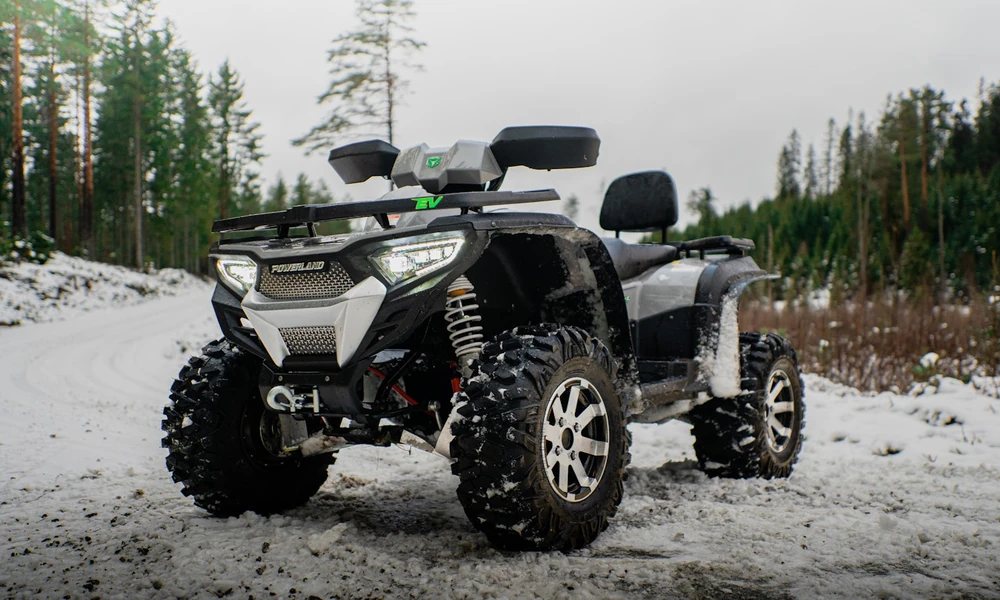
Recreational riding has grown in popularity as a means for individuals to enjoy activities outside of their daily routines, explore open landscapes, and spend time outside. While adventure seekers have always been drawn to conventional off-road vehicles, electrified alternatives are opening up new options for casual riders. They attract those looking for pleasurable outdoor activities because of their easy operation, low maintenance needs, and quieter performance. Riders may choose a vehicle that fits their interests, experience, and preferred riding environment by being aware of its practical benefits.
A Practical Choice For Infrequent Riders
Not every outdoor rider wants to spend a lot of time mastering complex vehicle controls. Simply put, a lot of leisure riders desire something they can use comfortably on the weekends or during sporadic outdoor activities.
A sturdy platform for recreational use may be provided by modern quad bikes, which have four wheels. On many models, electric versions eliminate the need for manual gear changes, significantly simplifying the experience. Riders may focus on manoeuvring through acceptable terrain, steering, and maintaining optimum speeds.
For those who like simple leisure activities without a lot of technical understanding, electric versions are worth considering because of this ease.
Quieter Riding For More Calm Experiences
Operating noise is one of the most obvious distinctions between electric and traditional recreational vehicles. Conventional combustion engines produce a lot of noise, especially when accelerating and in strenuous riding situations.
Electric motors are used in Electric Quad Bikes, which typically make less noise during operation. This may improve the comfort of leisure riding in approved private riding locations where loud engines might annoy locals or other tourists.
Reduced motor noise produces a distinct riding mood, even if tyre movement and mechanical components still produce sound. Without the continuous noise of a combustion engine, riders can take in their surroundings.
Easy Acceleration And Adaptable Controls
Recreational vehicles should function consistently, especially when passengers come across unexpected routes or changing terrain.
When the throttle is used judiciously, electric motors may produce torque instantly, enabling smooth acceleration. In order to assist riders in regulating performance based on their experience, many electric bikes also include changeable speed settings.
Four-wheel electric vehicles provide a different riding experience than certain conventional Dirt Bikes, which require riders to balance on two wheels. Their extra wheels do not, however, completely remove the possibility of rollover, particularly when making abrupt bends or over rough terrain.
For safe recreational usage, choosing the right speed settings and being aware of vehicle restrictions are still crucial.
Decreased Frequency Of Upkeep Of Mechanical Systems
Any recreational vehicle needs regular maintenance, but compared to gasoline-powered vehicles, electric powertrains often need less engine-related service duties.
Conventional engine oil changes, spark plug replacements, and fuel system maintenance are not necessary. For infrequent riders, this may lessen the need for regular maintenance.
Nonetheless, routine checks of the brakes, tyres, suspension parts, electrical connections, and battery systems are still necessary for electric cars. For dependable performance, proper charging and storage procedures are equally crucial.
Owning an engine might be more handy for leisure riders who ride seldom.
Adaptable Charging For Scheduled Outdoor Activities
Activities that are planned ahead of time may accommodate electric recreational vehicles with ease. Owners may use suitable charging equipment to charge their cars rather than planning gasoline supplies before each trip.
The battery’s capacity, the charger’s features, and the electrical system of the car all affect how long it takes to charge. Before scheduling lengthy leisure activities, riders should consult the manufacturer’s advice.
The terrain, rider weight, speed, and weather all affect battery range. It is easier to avoid unplanned disruptions when routes are planned within the battery’s capacity.
This strategy is especially effective for brief leisure activities close to appropriate charging stations.
An Alternative Method For Outdoor Recreation
For those who want to enjoy outdoor activities while lowering direct exhaust emissions during operation, electric recreational vehicles provide an additional choice.
They may be helpful in off-road areas where motorised vehicles are allowed, private recreational sites, and supervised riding activities.
Riding responsibly is still crucial, however. Owners should use appropriate safety gear, abide by any legislation, observe land access limits, and stay away from ecologically sensitive regions.
Recreational excursions may be made more enjoyable and manageable by selecting a car with the right size, speed capacity, and safety features.
Conclusion
The combination of straightforward controls, quieter operation, controllable maintenance requirements, and practical performance features makes electric recreational vehicles appealing. For those who want sporadic outdoor excursions but don’t want to deal with the upkeep requirements of traditional engines, they provide an option. Recreational enthusiasts may make wise choices and have more fulfilling experiences in suitable outdoor settings by taking into account riding conditions, charging needs, vehicle appropriateness, and crucial safety considerations.
